Updated on November 6, 2026 · By the Smart Picks UAE team
Smart Picks UAE is reader-supported. As an Amazon Associate we earn from qualifying purchases, at no extra cost to you. Read our affiliate disclosure.
Quick answer — how much protein per day?
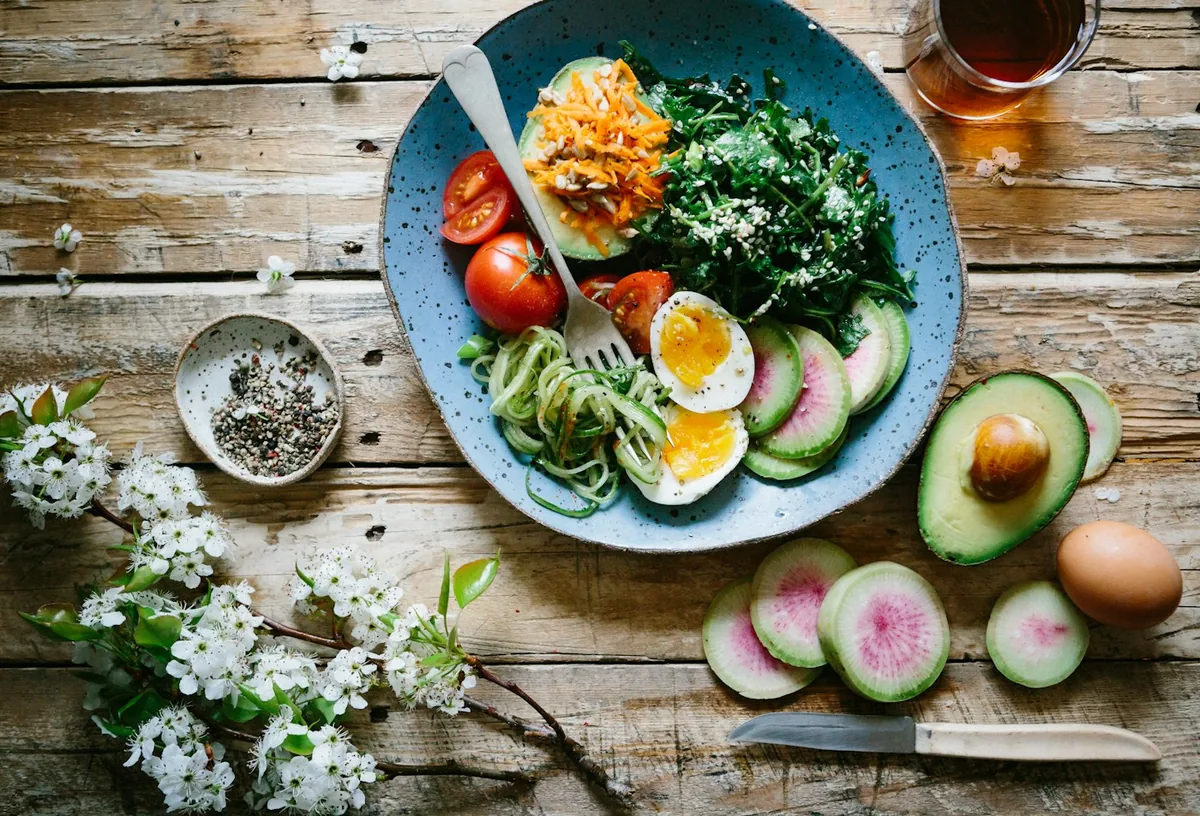
Most sedentary adults need about 0.8 g of protein per kg of body weight. If you lift weights or train hard, aim for roughly 1.4–2.0 g/kg. Muscle gain often works well near 1.6 g/kg, and fat-loss phases can sit toward the higher end of that band so you keep muscle while calories drop. Spread protein across the day in 20–40 g servings, and build most of it from everyday food — eggs, labneh, chicken, fish and mixed grill — before you reach for a shake.
Walk into any Dubai or Abu Dhabi gym and you will hear the same question: how much protein per day should I actually eat? Influencers push huge shake stacks. Old guidelines talk about a modest RDA. Trainers quote grams per kilogram. Meanwhile, UAE food culture — mixed grill, shawarma, labneh breakfasts, hotel buffets — already offers plenty of protein if you choose well.
This guide gives clear, evidence-based targets for muscle, fat loss and general fitness. You will see a simple protein per kg body weight chart, ideas for high protein meals Dubai gym-goers actually eat, and a sample day you can copy. No product grids — just numbers you can use.
This article is general information for healthy adults, not medical advice. If you have kidney disease, are pregnant, breastfeeding, or have another medical condition, speak to your doctor before changing how much protein you eat.
Why Protein Matters for UAE Gym-Goers
Protein supplies amino acids that repair muscle after training, support enzymes and hormones, and help you stay full between meals. When you lift — whether with beginner dumbbell exercises at home or a full gym programme — those amino acids are the raw material for recovery and growth.
In the UAE, long workdays, late dinners and hot-weather training add friction. You may skip breakfast, train after sunset, then grab whatever is open. Without a protein plan, it is easy to finish the day under target even if you “eat a lot.” Hitting a clear daily number makes recovery more predictable and pairs well with strength work and, when needed, an indoor setup from our apartment home gym guide.
Protein also helps during fat-loss phases. Higher intake helps preserve lean mass while calories fall, so more of the weight you lose comes from fat.
RDA vs Training Needs: 0.8 g/kg Is a Floor, Not a Goal
The classic Recommended Dietary Allowance (RDA) for protein is about 0.8 grams per kilogram of body weight per day. That figure, reflected in WHO/FAO guidance for healthy adults, is designed to prevent deficiency in largely sedentary people — it is not optimised for someone doing three to five hard gym sessions a week.
Sport nutrition groups set higher targets. The International Society of Sports Nutrition (ISSN position stand) concludes that exercising individuals often benefit from roughly 1.4–2.0 g/kg/day to support training adaptations. That range is where most UAE gym-goers who care about muscle or body composition should start when asking how much protein do I need.
Think of 0.8 g/kg as the minimum safety floor. Your training target sits higher once you add progressive resistance work or a calorie deficit.
Protein Per kg Body Weight: Quick Chart
Use this table to translate protein per kg body weight into daily grams. Pick your approximate body weight, then choose the column that matches your goal. Numbers are rounded to the nearest gram.
| Body weight | 0.8 g/kg | 1.2 g/kg | 1.6 g/kg | 2.0 g/kg |
|---|---|---|---|---|
| 60 kg | 48 g | 72 g | 96 g | 120 g |
| 70 kg | 56 g | 84 g | 112 g | 140 g |
| 80 kg | 64 g | 96 g | 128 g | 160 g |
| 90 kg | 72 g | 108 g | 144 g | 180 g |
How to choose a column:
- 0.8 g/kg — sedentary baseline / RDA-style floor
- 1.2 g/kg — light activity, walking, beginner consistency
- 1.6 g/kg — strength training and muscle-focused goals (sweet spot for many)
- 2.0 g/kg — hard training, aggressive fat loss while keeping muscle, or larger trainees who prefer higher protein
Example: an 80 kg person lifting four days a week often lands near 128 g/day at 1.6 g/kg, or up to about 160 g/day at 2.0 g/kg during a cut. Knowing how much protein per day looks like in grams removes the guesswork. A weekly average within ±10–15 g is fine.
How Much Protein Per Day to Build Muscle
If your goal is hypertrophy, the research is clearer than Instagram suggests. A landmark meta-analysis by Morton et al. (2018) in the British Journal of Sports Medicine pooled resistance-training studies and found that fat-free mass gains tended to plateau around ~1.62 g of protein per kg per day on average. Eating far above that did not reliably add more muscle for most people already training hard and eating enough calories.
That sits neatly inside the ISSN band of 1.4–2.0 g/kg. So when people ask how much protein per day to build muscle, a practical answer for most adults is:
- Start near 1.6 g/kg while you train with progressive overload
- Eat enough total calories (a small surplus helps muscle gain)
- Sleep and recover — soft-tissue work from our foam roller guide and massage gun recovery guide can support readiness between sessions
- Only push toward 2.0 g/kg if appetite allows and you are in a deficit or very lean
More protein cannot replace a poor training plan. Pair intake with compound lifts and a clear weekly structure — see our full-body exercises for weight loss guide if you want efficient sessions that still challenge major muscle groups.
How much protein per day around workouts?
Total daily protein is the main driver. Timing is secondary. Still, spreading intake across three to five meals, each with about 20–40 g of protein, helps you hit the daily total without giant, uncomfortable servings. A protein-rich meal in the hours around training is enough; you do not need to slam a shake in the locker room the second you rack the bar.
How Much Protein Per Day for Fat Loss
During a calorie deficit, protein’s job shifts slightly: protect muscle while fat comes off, and keep hunger manageable. That is why many coaches nudge fat-loss clients toward the higher end of 1.6–2.2 g/kg (using current body weight, or a realistic goal weight if you have a lot to lose).
In practice for UAE lifestyles: keep lifting so muscle has a reason to stay; raise protein before you slash carbs or fats to extremes; use high-volume plates (grilled meats, salads, yoghurt) so meals feel large; and plan a high-protein lunch so evening social dinners stay calmer. Crash diets that cut protein often leave you softer and hungrier.
Meal Distribution: 20–40 g Per Sitting
Most research-friendly meal targets sit around 20–40 grams, depending on body size and age. Older adults may benefit from the upper end of that range. A simple pattern for someone targeting ~130–150 g/day:
- Breakfast: 25–35 g
- Lunch: 30–40 g
- Post-workout or snack: 20–30 g
- Dinner: 35–45 g
If you train late after work — common when people avoid daytime exercise in UAE heat — put a decent protein meal before or after the session rather than saving everything for midnight.
High Protein Meals Dubai Gym-Goers Actually Eat
You do not need imported meal-prep brands to find high protein meals Dubai (and Abu Dhabi, Sharjah) food courts already serve. Focus on grilled options and dairy, and treat fried sides as optional.
| Meal idea | Typical protein (estimate) | Notes |
|---|---|---|
| Eggs + labneh breakfast | ~25–35 g | 3 eggs ≈ 18 g; add labneh or Greek yoghurt for more |
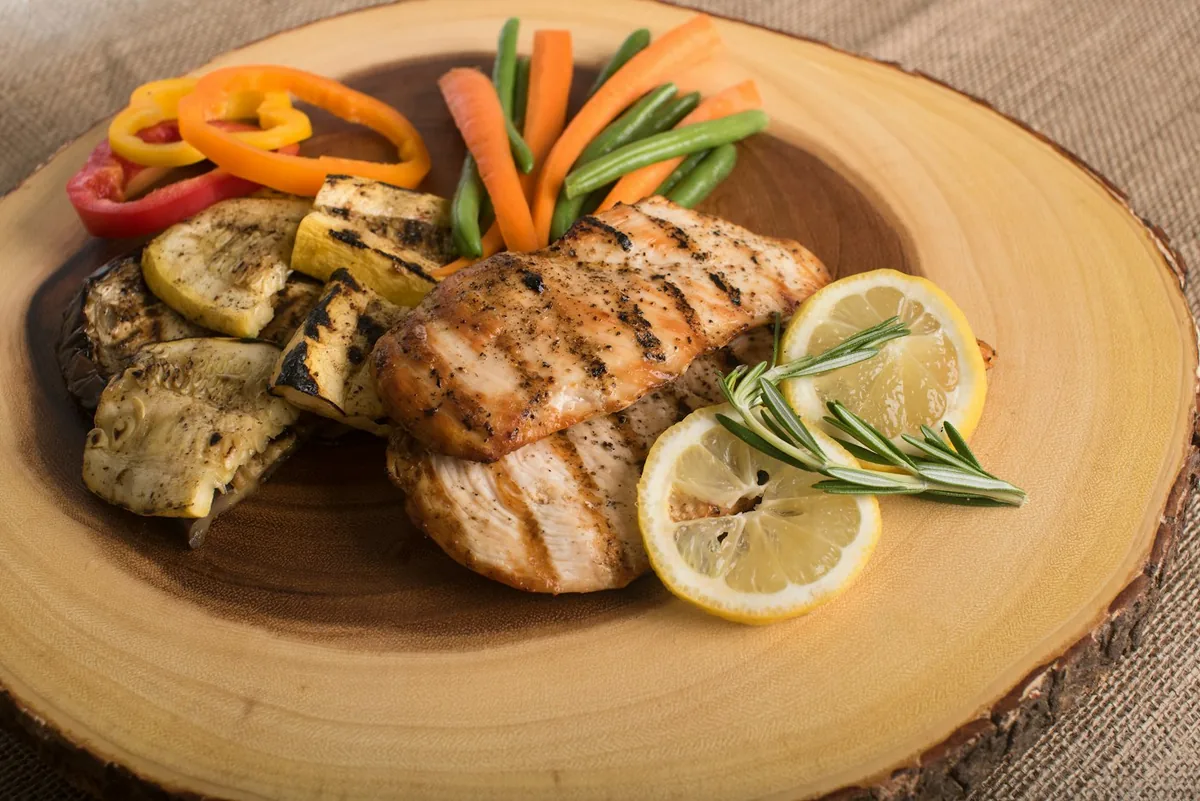
| Grilled chicken breast plate | ~35–50 g | Ask for extra chicken; go easy on creamy sauces and fries |
| Mixed grill (chicken, meat, kebab) | ~40–70 g | Share rice/bread if cutting; keep the grilled pieces |
| Shawarma (chicken or meat) | ~25–40 g | Plate format beats oversized wraps for macros |
| Grilled fish + salad | ~30–45 g | Hamour, salmon or seabass when available |
| Greek yoghurt / cottage cheese | ~15–25 g per serving | Easy snack between meetings |
| Lentils, beans, chickpeas (hummus + foul) | ~10–20 g per generous serving | Pair with dairy or eggs if you need more |
Protein estimates vary by restaurant portion — treat them as ranges. Hotel breakfast spreads in Dubai are especially convenient: eggs, cheese, yoghurt and smoked fish can cover a large share of how much protein per day you need before work. Vegetarian? Combine legumes, soy products where available, and dairy if you include it.
Sample Day: ~140 g Protein Plan
Sample day for an ~80–85 kg trainee aiming near 1.6–1.7 g/kg. Swap foods to match taste and budget; the structure matters more than brands.
- Breakfast: 3 eggs with vegetables + labneh or Greek yoghurt → ~35 g
- Lunch: Grilled chicken salad or rice bowl, large chicken portion → ~40 g
- Pre/post training snack: Yoghurt, cottage cheese or a small shake → ~20–25 g
- Dinner: Mixed grill or fish with vegetables → ~40–45 g
Total lands around 135–145 g. On rest days, keep protein similar. This is one concrete answer to how much protein per day looks like on a plate, not only on a spreadsheet.
Are Protein Shakes Necessary?
Shakes are optional convenience — not magic. Whole food should do most of the work because it also brings micronutrients, fibre and satiety. A powder helps when you have a short gap between office and gym, struggle to chew another chicken breast at night, or face carb-heavy hotel options while travelling. If you use a powder, treat it as one serving toward your daily total and read labels for added sugars. A standard whey protein isolate works for most gym-goers; a plant-based protein is a better fit if you avoid dairy. A simple protein shaker bottle makes mixing on the go less messy. Food first; this article stays informational and is not a powder buying guide.
Common Mistakes When Tracking Protein
- Copying a bodybuilder’s intake. A 100 kg athlete’s 200 g target is not automatically right for a 65 kg beginner.
- Counting only shakes. Eggs, dairy and meat count. Log food, not just supplements — a digital kitchen scale makes portion estimates far more honest than guessing.
- Ignoring calories. Huge protein with a massive surplus still gains fat.
- Saving everything for dinner. Spreading 20–40 g meals is easier than a 100 g feast at 11 PM.
- Fear of local food. Mixed grill and labneh are allies when you control oils and portions.
- No strength training. Protein without a lifting stimulus under-delivers for muscle goals.
Helpful gear for hitting your protein target
Prices change often — always check Amazon.ae for the current price before you buy.
- Optimum Nutrition Gold Standard Isolate — A straightforward whey isolate for post-workout or busy days when food is hard to hit.
Check price on Amazon.ae → - Digital kitchen food scale — Weighing chicken, yoghurt and scoops beats eyeballing — especially if you are cutting.
Check price on Amazon.ae → - BlenderBottle Classic V2 shaker — Mixes powder with a wire ball so you are less stuck with clumps in the car or office.
Check price on Amazon.ae → - Optimum Nutrition Gold Standard Plant — Pea, rice and fava blend if you prefer vegan or dairy-free protein.
Check price on Amazon.ae →
Frequently Asked Questions
How much protein do I need each day?
It depends on your body weight and goals. Sedentary adults can start near 0.8 g per kg. Most people who lift or train hard do better at about 1.4–2.0 g per kg. Use the chart in this guide, then adjust based on hunger, recovery and progress.
How much protein per day to build muscle?
Aim for roughly 1.6–2.0 g per kg of body weight while you train with progressive resistance. A large meta-analysis found muscle gains plateau around 1.62 g/kg on average, and the ISSN range of 1.4–2.0 g/kg covers most trainees. Spread intake across the day.
Is 2 grams of protein per kg too much?
For healthy adults who train, about 2.0 g/kg sits at the upper end of common sport-nutrition targets and is usually well tolerated. It is not a medical prescription. If you have kidney disease, are pregnant, or have other medical conditions, ask your doctor before raising protein that high.
Do I need protein powder in Dubai?
No. Eggs, labneh, chicken, fish, mixed grill, Greek yoghurt and legumes can cover your needs. A shake is only a convenience tool when you are short on time between work, commuting and the gym.
When should I eat protein around workouts?
A meal with 20–40 g of protein in the hours before or after training is enough for most people. Total daily intake matters more than a narrow anabolic window, so focus on hitting your daily target across three to five meals.
Can high protein meals help with fat loss in the UAE?
Yes. Higher protein helps preserve muscle in a calorie deficit and keeps you fuller between meals — useful when social dining and delivery apps make snacking easy. Pair it with strength training and a modest calorie deficit, not crash dieting.
Bottom Line: How Much Protein Per Day
How much protein per day you need depends on body weight and goal — not on the loudest tip in the gym WhatsApp group. Use ~0.8 g/kg as a sedentary floor, then move to about 1.4–2.0 g/kg if you train. For muscle, the research sweet spot often sits near 1.6 g/kg; for fat loss, lean toward the higher end while you keep lifting. Build most of your intake from eggs, labneh, chicken, fish and mixed grill — the high protein meals Dubai already does well — and use shakes only when food is inconvenient. Stay consistent for weeks, not days, and adjust based on recovery, hunger and progress.
Sources
- Jäger R, et al. International Society of Sports Nutrition Position Stand: protein and exercise. J Int Soc Sports Nutr, 2017
- Morton RW, et al. A systematic review, meta-analysis and meta-regression of the effect of protein supplementation on resistance training–induced gains in muscle mass and strength in healthy adults. Br J Sports Med, 2018
- Morton et al. PubMed record (BJSM 2018 protein meta-analysis)
- World Health Organization: Healthy diet
- NHS: Meat, fish, eggs, beans and other non-dairy sources of protein
- NIH ODS: Exercise and Athletic Performance (health professional)